
What happens when our own memories begin to overlap with postmemory and history? How do we learn to listen to stories that resemble our own and connect with them across time and geography? In this project, I invited Stella Dimitrakopoulou and Anastasia Diavasti on a shared journey to our ancestral lands. Our journey across the places where our ancestors once lived became a quiet ritual of return, a gesture of sharing. At its core lies the role of women in rebuilding communities after forced displacement: practices of care, labor, and survival, and the ways these are transmitted across generations. We explored the relationship between memory, migration, and women’s lived experience by sharing our practice with local communities, artists, and theorists in Turkey and Greece.
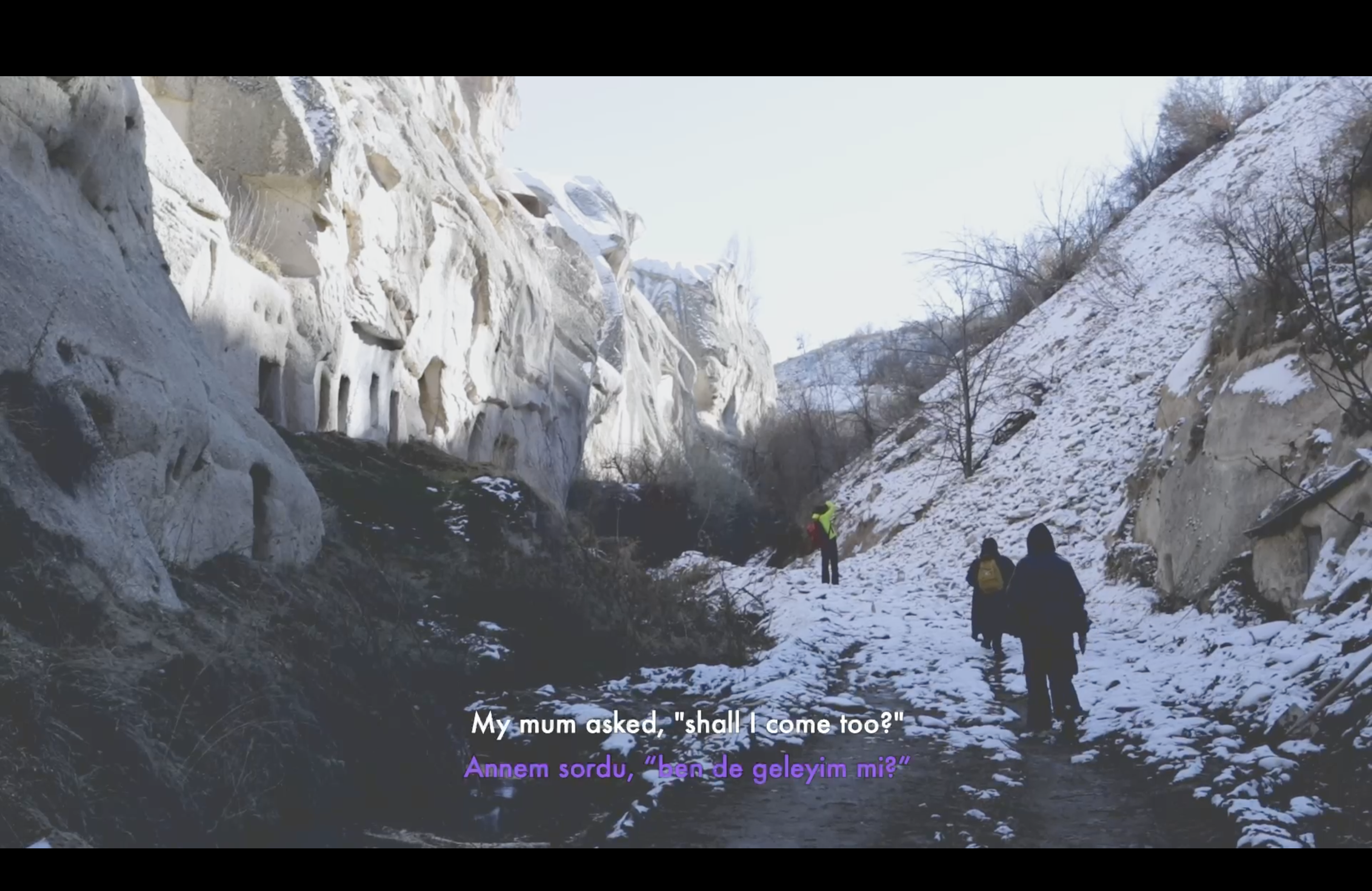
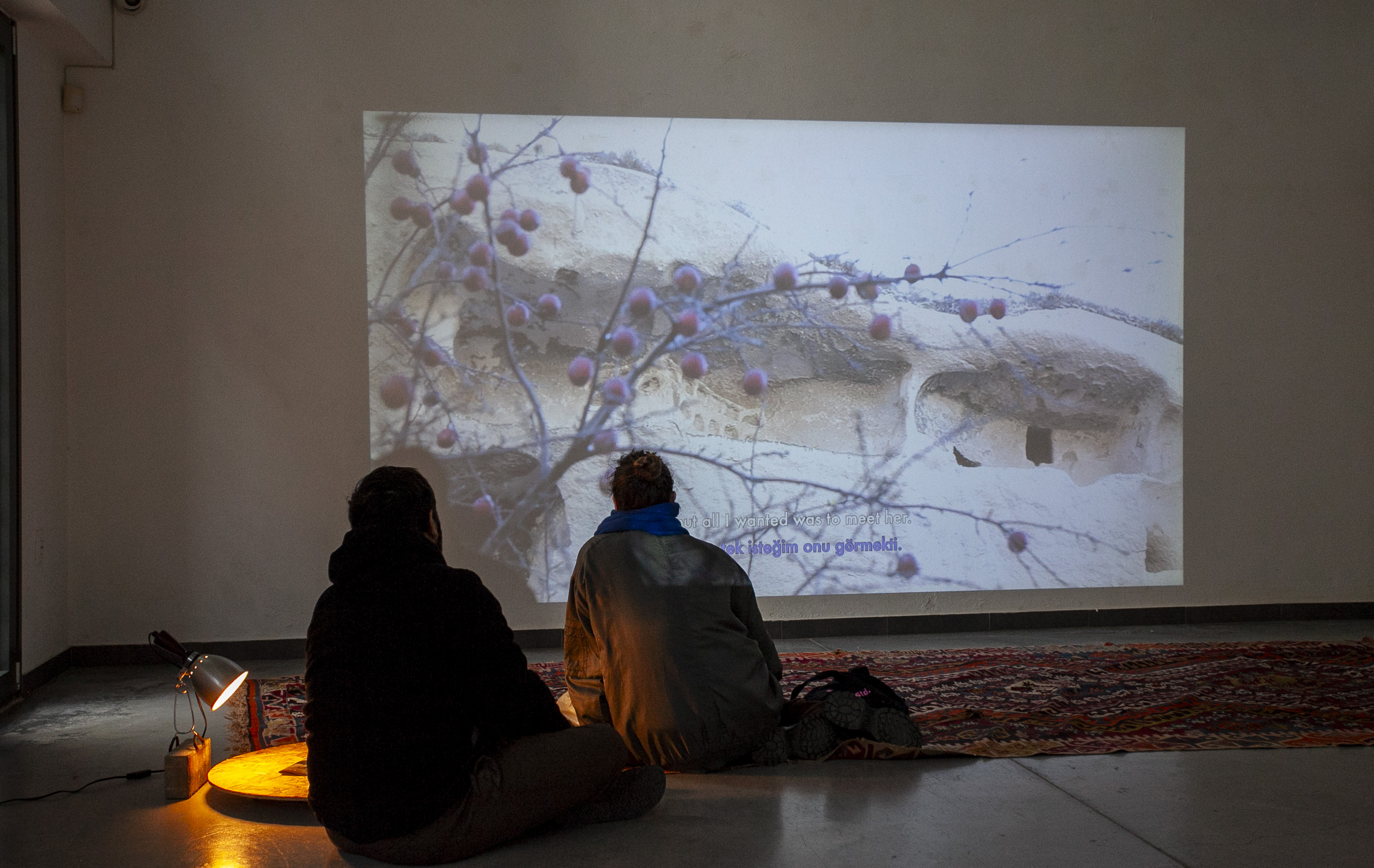
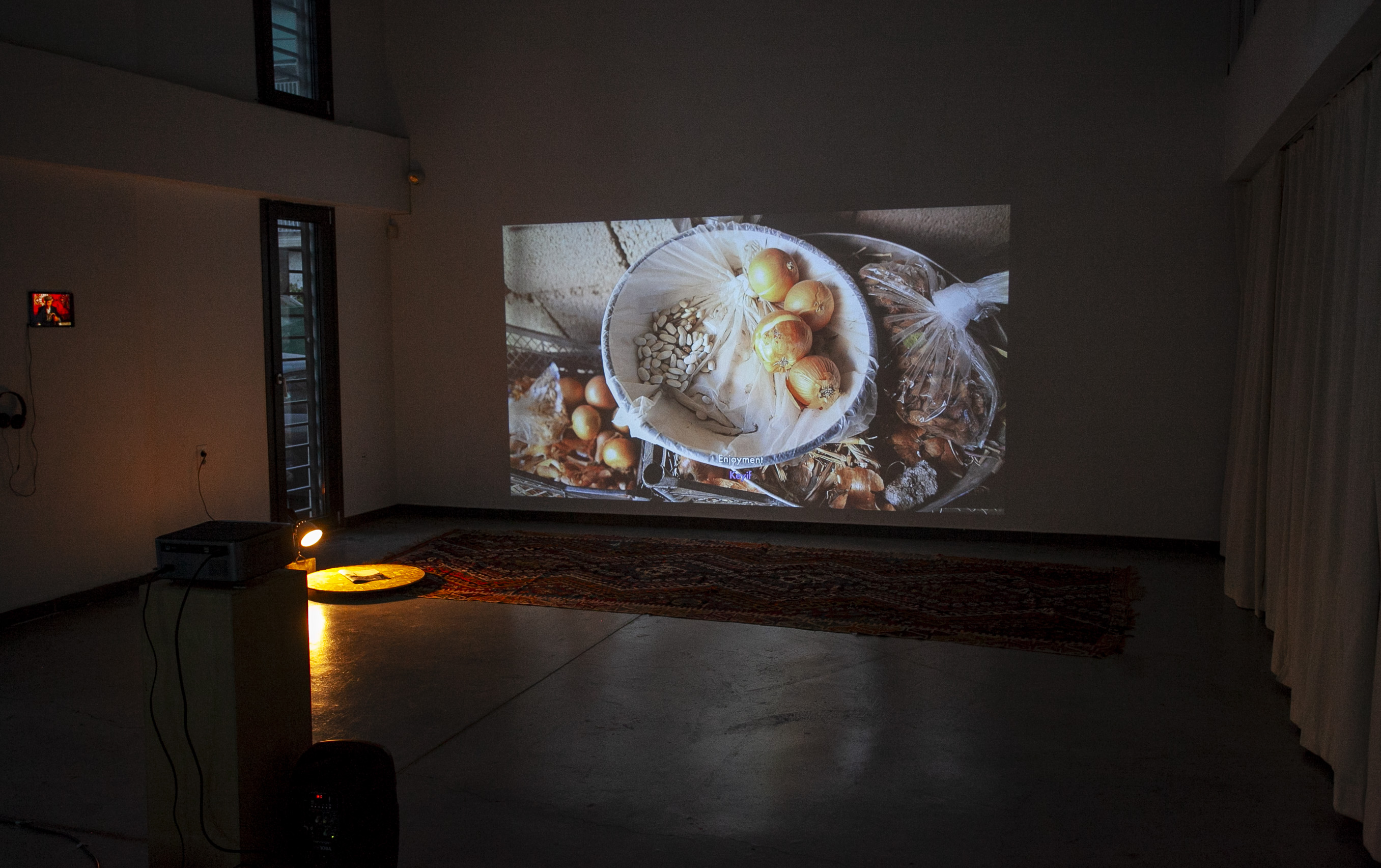
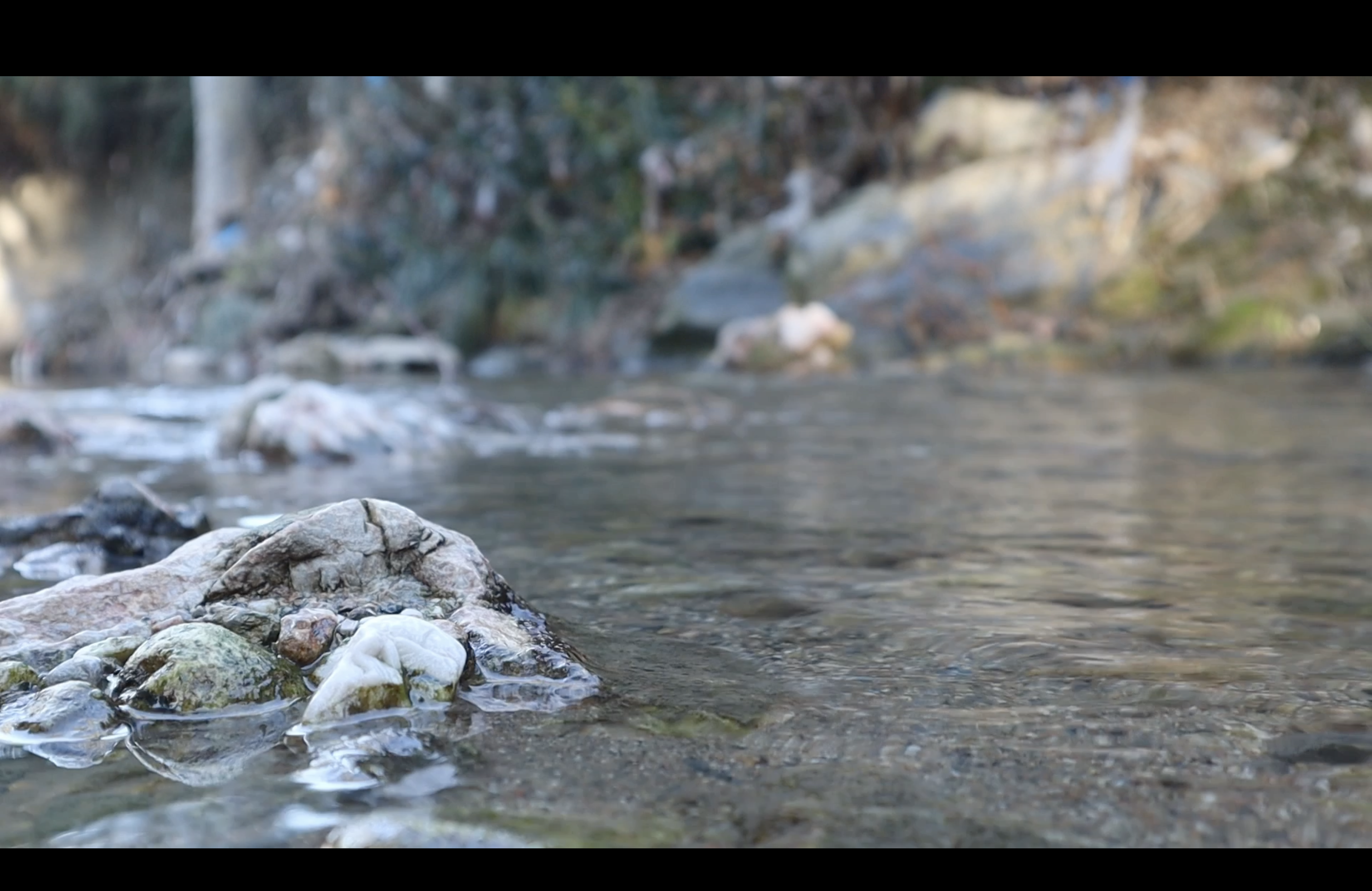
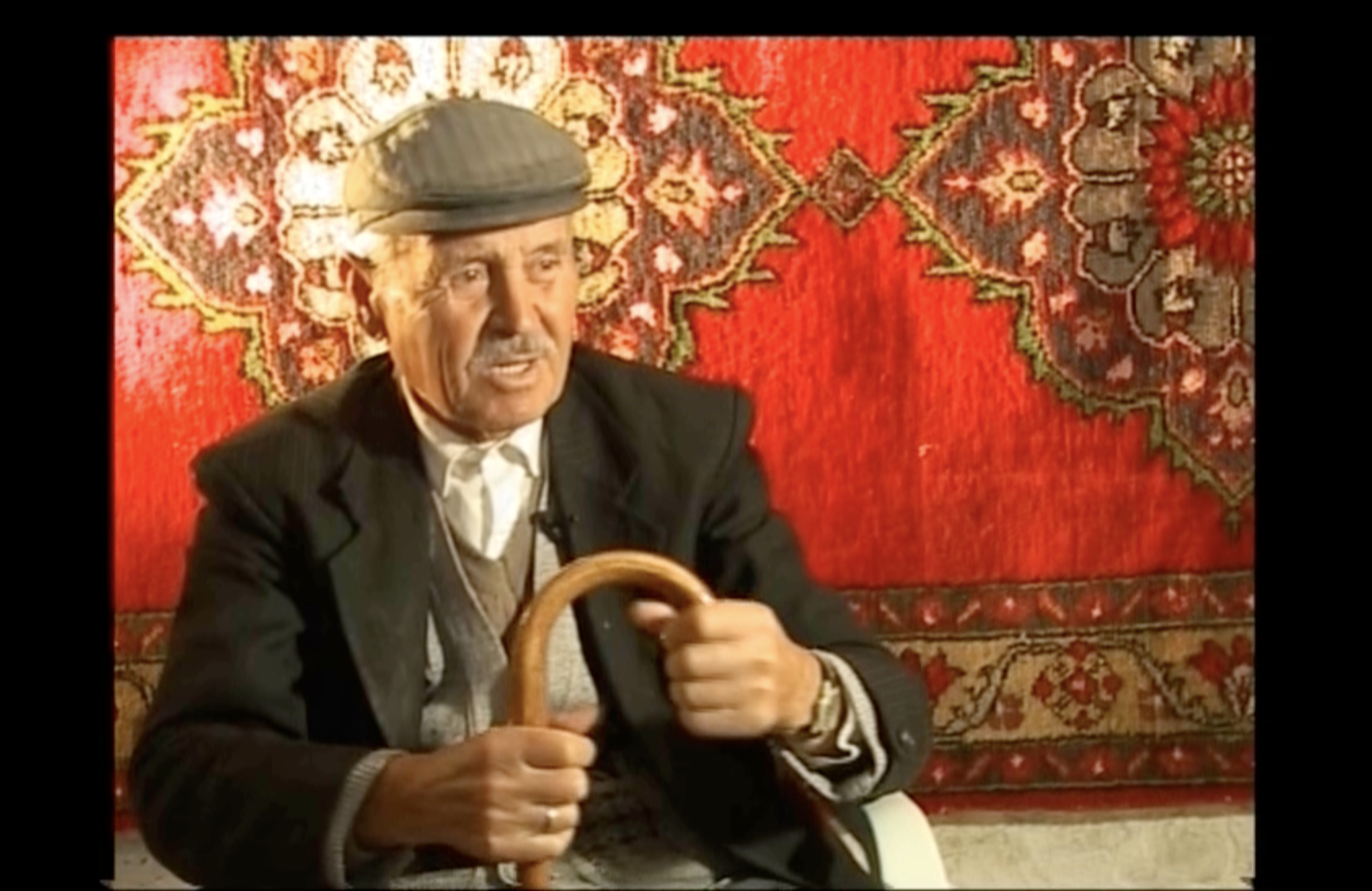
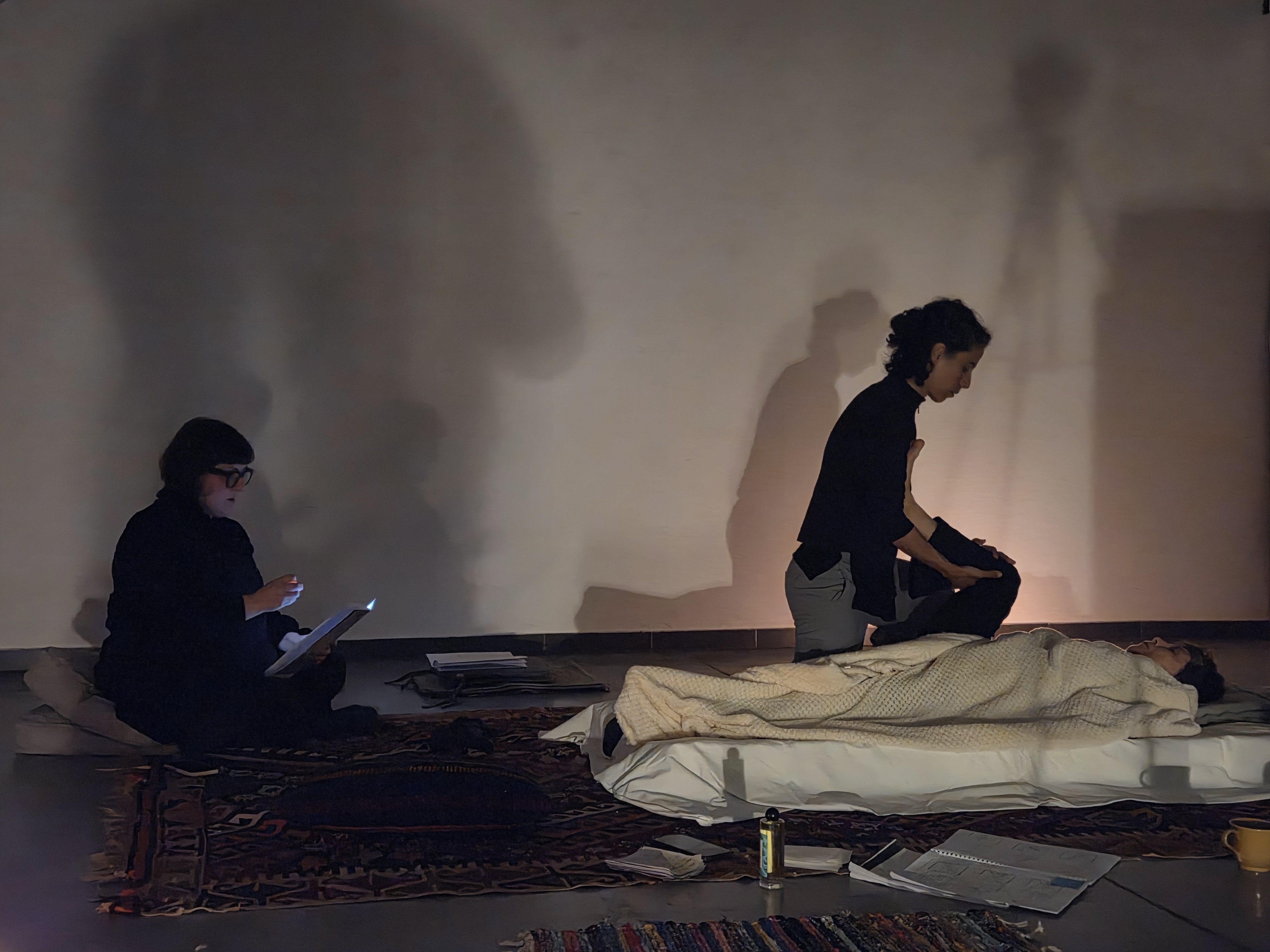
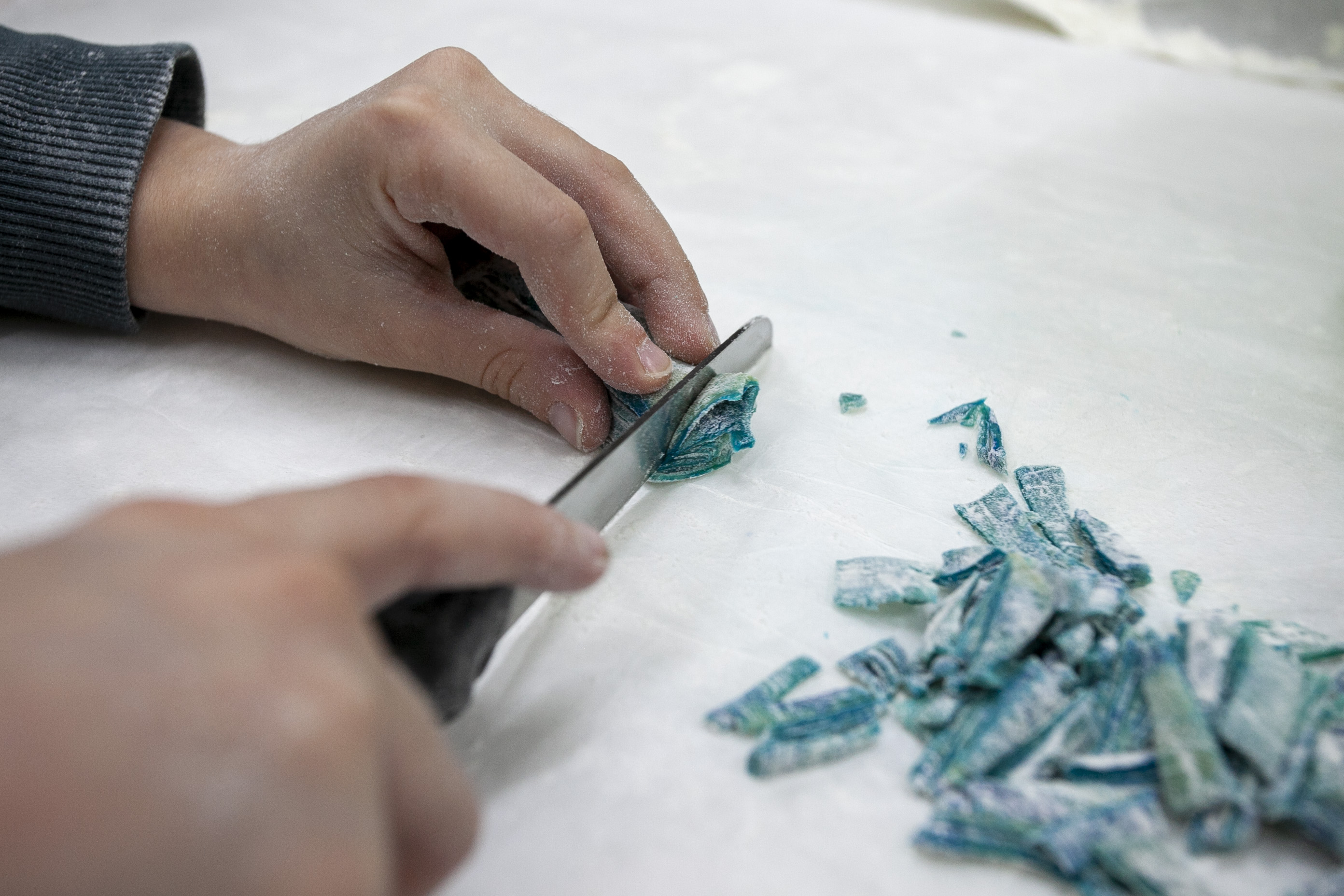
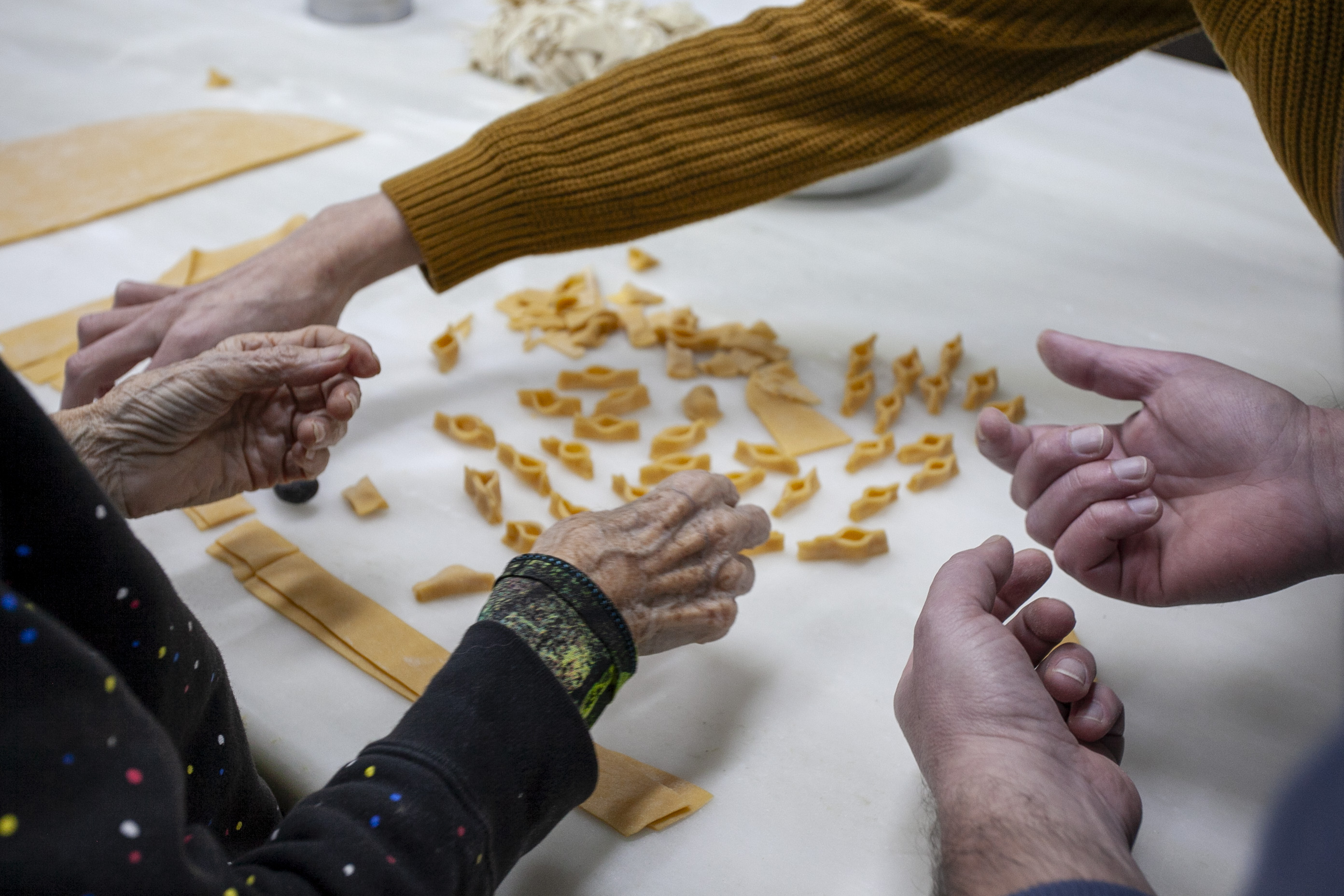
The exhibition and workshops extended the working group’s performative actions, inviting the community and audience to join our process of exploration. During a workshop held at a local bakery founded in 1923, we prepared tık tık mantı (7,8), a traditional dish from Cappadocia, activating cooking as a vehicle for memory, knowledge transmission, and collective experience. Through oral histories, postmemory, and a hydro-feminist approach, the project reflects on fluid identities and collective learning within intercultural societies. Within a layered audiovisual installation that brought together moving image, voice, archival material, and live performance, I presented the video Mousafiris / Guest / Misafir (1, 2, 3) (with cinematography and editing by Anastasia Diavasti), in dialogue with a looped video from the river titled ‘River are we related? ‘(4) in Nea Ionia, attempting to bring the voices of two rivers together — one in Nea Ionia and one in Urgup. The installation also included the video of Mukremin Tokmak (6), featuring interviews and testimonies of Turkish people who were forcibly relocated to Turkey after the population exchange from Greece, as well as accounts from those who remained. In alignment with our archival material in Dimitrakopoulou’s publication about KÜPLÜ and Sifostratoudaki’s poetry collection titled Writing on the Way, the installation coexisted with Dimitrakopoulou’s performance IMAMA (7), accompanied by readings from Writing on the Way (Link to the Publication) .
Together, these works, workshops, and meetings in both lands captured echoes of action, voice, and memory, highlighting how everyday gestures, storytelling, and creative practices can carry histories and knowledge across generations. All works were translated into Greek, Turkish, and English.
Part of Yellow Brick STEP 69 | Weaving Hydro-Feminist Routes of Uncanny Athens: Nea Ionia, Küplü, Cappadocia. 2026
Kindly supported by the Greek Ministry of Culture